

Website Maintenance Services: Why They Matter for Your Business
Launching a website is an important milestone for any business, but the work should not stop once the website goes live.
Websites need regular updates, monitoring, security checks, performance improvements, backups, and technical maintenance to continue working properly.
This is where website maintenance services become important.
A website that is not maintained can gradually develop technical problems. Software can become outdated, security vulnerabilities can appear, pages can become slower, broken links can accumulate, and compatibility issues can affect the user experience.
For businesses that depend on their website for leads, sales, customer support, or online visibility, regular maintenance is an important part of protecting that investment.
What Are Website Maintenance Services?
Website maintenance services involve the ongoing work required to keep a website secure, functional, updated, and performing properly.
Depending on the website and its technology, maintenance can include:
- Software updates
- Security monitoring
- Website backups
- Performance optimization
- Broken-link checks
- Content updates
- Bug fixes
- Database maintenance
- Mobile compatibility checks
- Analytics monitoring
- Technical SEO improvements
The exact maintenance requirements depend on the website’s platform, features, integrations, and business objectives.
A simple business website may require relatively little technical maintenance, while an eCommerce store or web application may require more frequent monitoring and updates.
Why Website Maintenance Is Important
A website represents an ongoing investment.
Once a website is launched, its technology, content, integrations, and business requirements continue to change.
Regular maintenance helps businesses keep the website aligned with those changes.
1. Improve Website Security
Security is one of the most important reasons to maintain a website.
Websites can depend on:
- Content management systems
- Plugins
- Themes
- Frameworks
- APIs
- Third-party integrations
- Hosting environments
Outdated components can create security risks.
Regular maintenance allows businesses to identify outdated software, review configurations, update components, and address vulnerabilities.
For websites and web applications, security should be considered throughout the lifecycle rather than only after a problem occurs.
HiveRift also provides secure software development solutions that focus on integrating security into development and maintenance processes.
2. Keep Your Website Fast
Website performance can change over time.
A website that was fast when it launched may become slower as businesses add:
- Images
- Videos
- Plugins
- Tracking scripts
- New pages
- Products
- Third-party integrations
Regular maintenance can identify performance issues before they significantly affect users.
Common optimization activities include:
- Image optimization
- Code optimization
- Database cleanup
- Caching
- Script management
- Server optimization
- Mobile performance improvements
Google’s PageSpeed Insights can help website owners evaluate performance and identify potential improvements.
Businesses can also explore HiveRift’s performance and security optimization solutions for broader technical optimization.
3. Protect Your Website With Regular Backups
Backups provide an important layer of protection.
A website can experience problems because of:
- Technical errors
- Software updates
- Security incidents
- Server problems
- Human mistakes
- Database issues
Having reliable backups can make it easier to restore a website when something goes wrong.
However, simply creating a backup is not enough.
Businesses should also understand:
- How frequently backups are created
- Where backups are stored
- How long they are retained
- Whether databases are included
- How restoration works
Backup procedures should be appropriate for the importance and complexity of the website.
4. Fix Broken Links and Errors
Websites change constantly.
Pages may be removed, URLs may change, products may be discontinued, or external resources may become unavailable.
Over time, these changes can create:
- Broken links
- Missing pages
- 404 errors
- Incorrect redirects
- Broken images
- Form problems
Regular website maintenance can help identify and correct these issues.
A website with working navigation and functional pages provides a better experience for visitors.
5. Support Better SEO
SEO is not something businesses should only think about when launching a website.
Technical problems can develop over time and affect the website’s search visibility.
Maintenance can include reviewing:
- Broken links
- Redirects
- Page indexing
- Metadata
- Site structure
- Internal links
- Mobile usability
- Page performance
- XML sitemaps
Google’s SEO documentation provides guidance on making websites easier for search engines to understand and access.
Website maintenance does not replace a complete SEO strategy, but it can help maintain the technical foundation needed for ongoing optimization.
6. Keep Content Up to Date
Outdated information can reduce customer trust.
Consider a website that still displays:
- Old pricing
- Outdated contact information
- Discontinued services
- Old company information
- Expired offers
- Incorrect business hours
Visitors may question whether the business is still active or reliable.
Regular content maintenance helps ensure that customers receive accurate information.
Businesses should periodically review important pages such as:
- Homepage
- About page
- Services
- Product pages
- Contact page
- Pricing
- FAQs
- Blog posts
Content maintenance can therefore be both a technical and marketing activity.
7. Maintain Third-Party Integrations
Modern websites often rely on external services.
Examples include:
- Payment gateways
- CRM platforms
- Email marketing systems
- Analytics tools
- Booking platforms
- Maps
- Social media integrations
- Shipping platforms
If an external service changes its API or authentication requirements, the website may need to be updated.
Regular maintenance helps businesses identify integration problems and keep important systems working together.
For more complex projects involving multiple systems, web application development can provide a more comprehensive approach to digital functionality and integrations.
Website Maintenance for E-Commerce Businesses
E-commerce websites require particularly careful maintenance.
An online store can depend on:
- Product catalogs
- Inventory
- Shopping carts
- Payment gateways
- Customer accounts
- Shipping systems
- Tax calculations
- Order management
- Marketing integrations
A technical issue during checkout can directly affect sales.
Regular maintenance should therefore include testing important customer journeys.
Businesses should periodically test whether customers can:
- Find products
- Add products to their cart
- Update quantities
- Apply discounts
- Enter shipping information
- Complete payment
- Receive confirmation
- Track their order
E-commerce maintenance should focus on both technical reliability and customer experience.
Website Maintenance for Web Applications
Web applications typically require more extensive maintenance than standard informational websites.
They may include:
- User accounts
- Dashboards
- Databases
- APIs
- Authentication
- Payment systems
- Business workflows
- Cloud infrastructure
As these systems become more complex, ongoing monitoring and maintenance become increasingly important.
HiveRift’s web application development services cover areas such as architecture, user experience, databases, APIs, integrations, security, and deployment.
How Often Should a Website Be Maintained?
There is no single maintenance schedule that works for every website.
The frequency depends on:
- Website technology
- Number of integrations
- Traffic
- Security requirements
- Content changes
- Business importance
- eCommerce functionality
- Application complexity
However, businesses should not wait until something breaks.
A proactive maintenance approach can involve:
Daily or Automated Monitoring
Depending on the website:
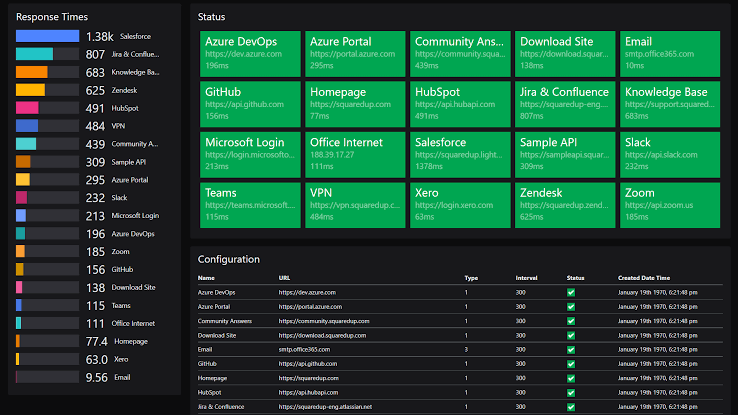
- Uptime monitoring
- Security alerts
- Backup monitoring
- Critical error monitoring
Weekly Checks
Potential tasks include:
- Backup verification
- Website functionality checks
- Security updates
- Important form testing
Monthly Maintenance
Businesses may review:
- Performance
- Broken links
- Analytics
- Plugins and software
- SEO issues
- Website content
Periodic Technical Reviews
Larger websites and applications may benefit from deeper technical reviews covering:
- Infrastructure
- Security
- Database performance
- Integrations
- User experience
- Scalability
The right schedule should be based on the actual needs of the website.
DIY Website Maintenance vs. Professional Services
Some businesses handle basic website maintenance internally.
This may work when the website is simple and the team has the necessary knowledge.
However, professional website maintenance services can be valuable when a business:
- Doesn’t have an internal technical team
- Runs an eCommerce website
- Uses multiple integrations
- Has a custom web application
- Handles customer information
- Needs ongoing security monitoring
- Wants proactive technical support
Professional maintenance can also allow business owners to focus on their core operations instead of dealing with technical issues.
What Should Website Maintenance Services Include?
Before hiring a maintenance provider, businesses should understand exactly what is included.
A maintenance package may include:
- Website updates
- Security monitoring
- Backups
- Performance optimization
- Bug fixes
- Content updates
- Broken-link checks
- Technical SEO support
- Uptime monitoring
- Emergency support
Not every provider offers the same service.
Ask for a clear maintenance scope and understand what happens when a problem falls outside the agreed package.
How to Choose a Website Maintenance Company
When comparing providers, consider the following.
Technical Expertise
The provider should understand the technologies used by your website.
Security Knowledge
Ask how security issues, updates, and vulnerabilities are handled.
Response Time
Understand how quickly support requests are addressed.
Backup Strategy
Ask how backups are created, stored, and restored.
Performance Monitoring
Find out whether website speed and technical performance are monitored.
Communication
You should know who to contact when something goes wrong.
Scalability
If your website grows, your maintenance provider should be able to support additional requirements.
Why Choose HiveRift for Website Maintenance?
Website maintenance is most effective when it combines technical monitoring, security, performance, and ongoing improvement.
HiveRift’s current service offering includes website maintenance alongside website development, SEO, eCommerce, digital marketing, UI/UX, and technology solutions.
This allows businesses to approach website maintenance as part of a broader digital strategy rather than simply fixing problems when they appear.
HiveRift also focuses on performance and security optimization, helping businesses address technical issues that can affect website reliability and user experience.
For businesses with larger digital platforms, maintenance can also connect with broader application, cloud, and security requirements.
Final Thoughts
A website should not be considered finished when it goes live.
Technology changes, businesses evolve, security threats develop, content becomes outdated, and customer expectations continue to change.
Regular website maintenance services can help businesses keep their websites secure, fast, functional, and up to date.
From backups and security updates to performance optimization, broken-link checks, content updates, and integration monitoring, ongoing maintenance protects the value of your website investment.
The best approach is proactive rather than reactive.
Instead of waiting for customers to report a problem or for a website to stop working, businesses can use regular maintenance to identify potential issues and address them before they become larger problems.
A well-maintained website provides a stronger foundation for SEO, customer experience, security, and long-term digital growth.